


Topic portal
Forced labour, modern slavery and trafficking in persons
Forced labour is a severe violation of human rights affecting 27.6 million of men, women and children in all countries and all economic sectors. It is rooted in poverty, discrimination and lack of social protection, and it disrupts fair competition between businesses. The issue has been at the heart of the ILO mandate to promote Fundamental Principles and Rights at Work, leaving no one behind.
Facts and figures
Highlights

Third edition
Combating forced labour - A handbook for employers and business
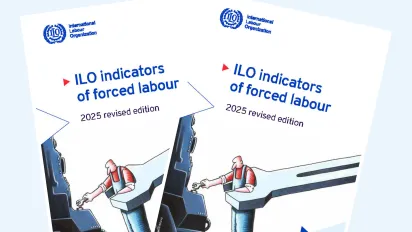
2025 revised edition
ILO indicators of forced labour
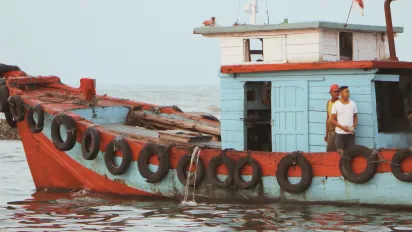
Toolkit for surveys on decent work in marine fishing
Key resources on forced labour
Our impact, their voices
Forced Labour Observatory
The Forced Labour Observatory (FLO) is a database that provides comprehensive global and country information on forced labour, including on international and national legal and institutional frameworks; enforcement, prevention and protection measures
News and stories
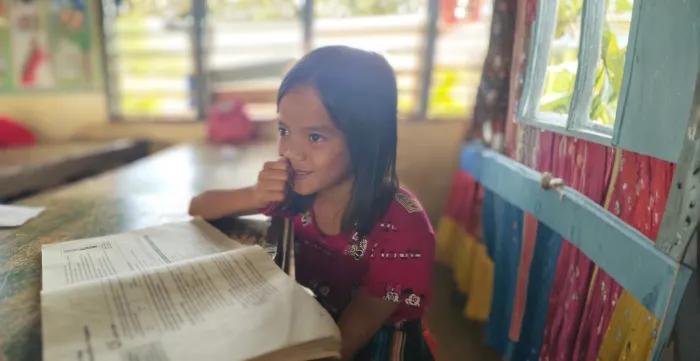
Alliance 8.7
Philippines sets roadmap against forced labour, child labour and exploitation
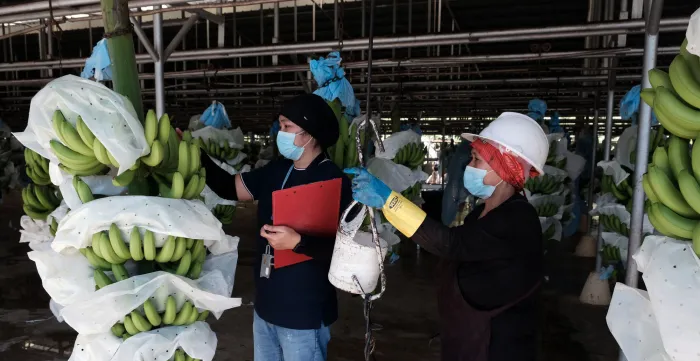
Partnership for development
ILO and Canada advance action against forced labour in the Philippines
What can the ILO offer and how?
ILO's comprehensive expertise and approach to tackle forced labour
Eradicating forced labour: The ILO approach
Identification and referral of victims of forced labour
Effective identification of victims of forced labour
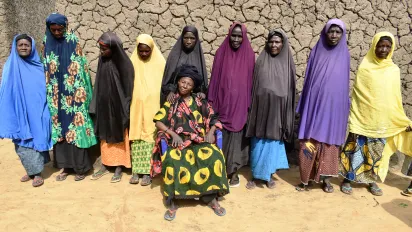
Good practices on forced labour
Promising practices in addressing forced labour
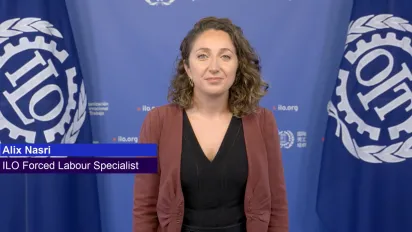
ILO's concrete interventions to prevent forced labour, improve detection, and support victims
ILO approach to tackle forced labour

Factsheet on forced labour
Eradicating forced labour: Partnering strategically with ILO

IPEC+ - International Programme on the Elimination of Child Labour and Forced Labour
The IPEC+ Global Programme is the ILO’s development cooperation programme for the elimination of child labour and forced labour and the advancement of fundamental principles and rights at work.
Focus on

The Fair Recruitment Initiative

The ILO Global Business Network on Forced Labour

8.7 Accelerator Lab
Publications
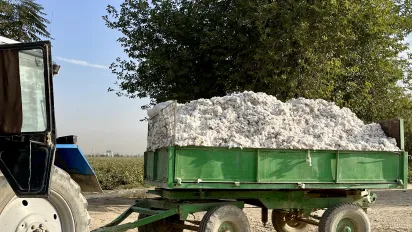
2025 Observance of recruitment and working conditions in the cotton harvest in Turkmenistan
First edition
Identification of State-imposed forced labour: guidance for practitioners
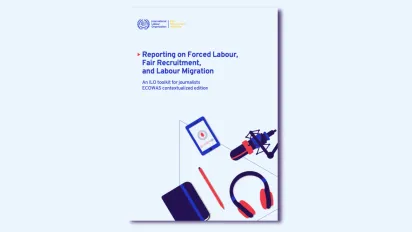
Reporting on forced labour, fair recruitment, and labour migration: An ILO toolkit for journalists - ECOWAS contextualized edition
International Labour Standards on Forced Labour
The Forced Labour Convention (No. 29), adopted in 1930, contains the definition of forced labour and provides that it should be punished as a crime. This is one of the most ratified ILO standards.
The Abolition of Forced Labour Convention (No. 105), adopted in 1957, deals with state-imposed forms of forced labour. This is one of the most ratified ILO standards.
The Protocol to the Forced Labour Convention, (P029), adopted in 2014, requires ratifying countries to take effective measures to prevent forced labour, protect victims and ensure their access to justice.
The Protocol complements the Convention No. 29, therefore only countries that have ratified this Convention can ratify the Protocol.
The Forced Labour Recommendation (No. 203), adopted in 2014, provides further guidance on how to implement the Protocol.
It is a non-binding document that does not require ratification.
Projects
ESDC-Funded Project
Expanding Action on Forced Labour and Child Labour to Advance Fundamental Principles and Rights at Work (FPRW) in Malaysia
Forced labour
Promoting responsive institutions and mechanisms to eliminate forced labour in the Philippines (PRIME PH)
Project
Fostering an Enabling Environment for MSMEs to Promote Responsible Value Chains (FEE-RVC)